

Swimming on the Bluff
A Brief Peek at the History of Duquesne University Club Swimming
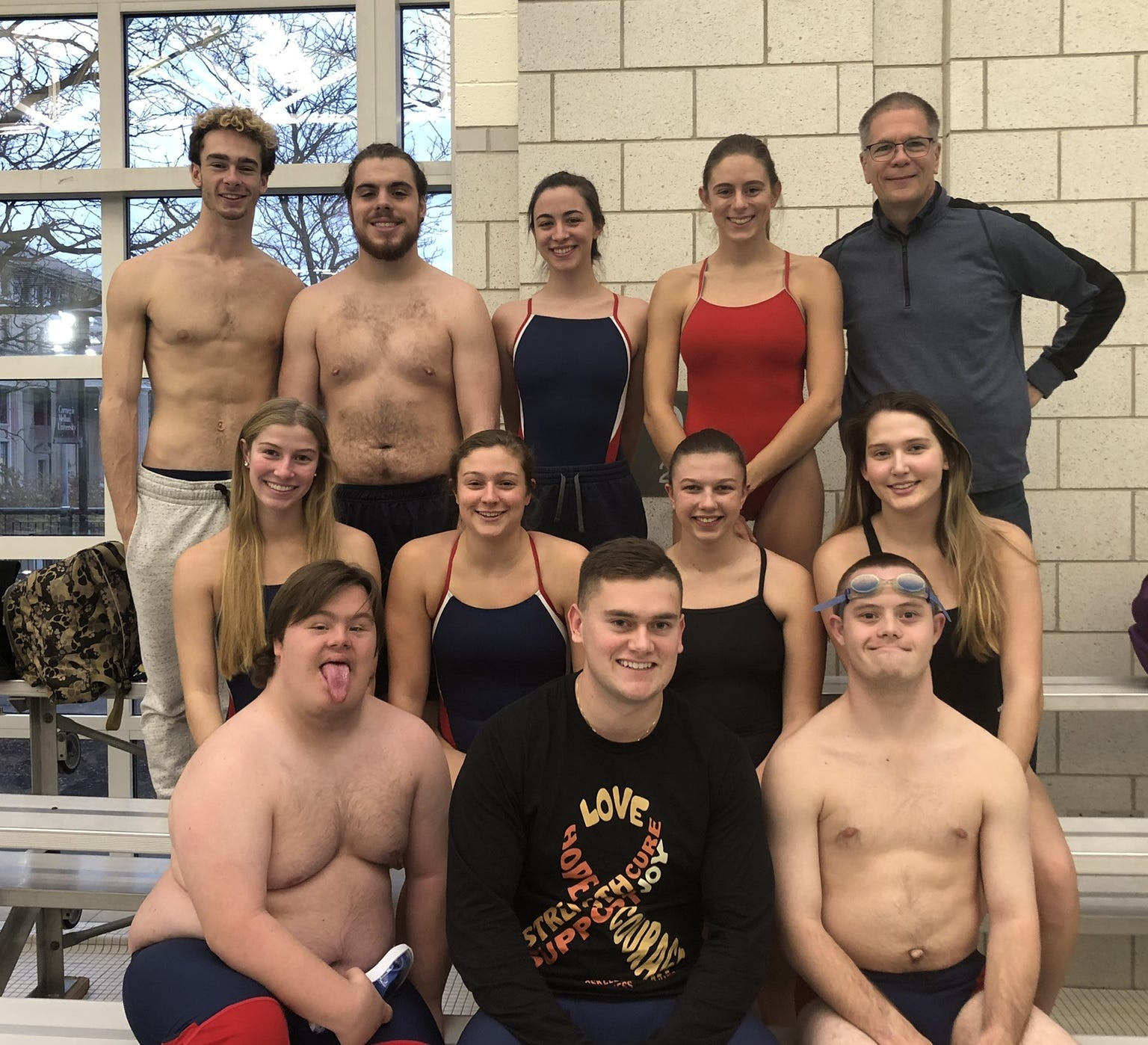
An archival narrative based on the posts, photographs, and records from DUQ.4rs.org, the longtime home of Duquesne University Club Swimming.
Introduction
This is not the history of a varsity athletic program.
This is the story of a club team.
A volunteer-led, student-centered, men’s and women’s swimming community that lived on the Bluff at Duquesne University in Pittsburgh.
The team was informal compared to NCAA athletics. It was smaller. It was less funded. It was often built year-by-year depending on student interest, available pool space, changing schedules, academic pressures, and the realities of college life.
But it mattered.
For some students, the club team became their only opportunity to continue swimming after high school. For others, it offered structure, friendship, exercise, and continuity during chaotic college years. Some swimmers had competitive backgrounds. Others simply wanted to stay active in the water. Graduate students and undergraduate students participated together. Men and women trained together.
The atmosphere was never about celebrity athletics or institutional prestige.
It was about showing up.
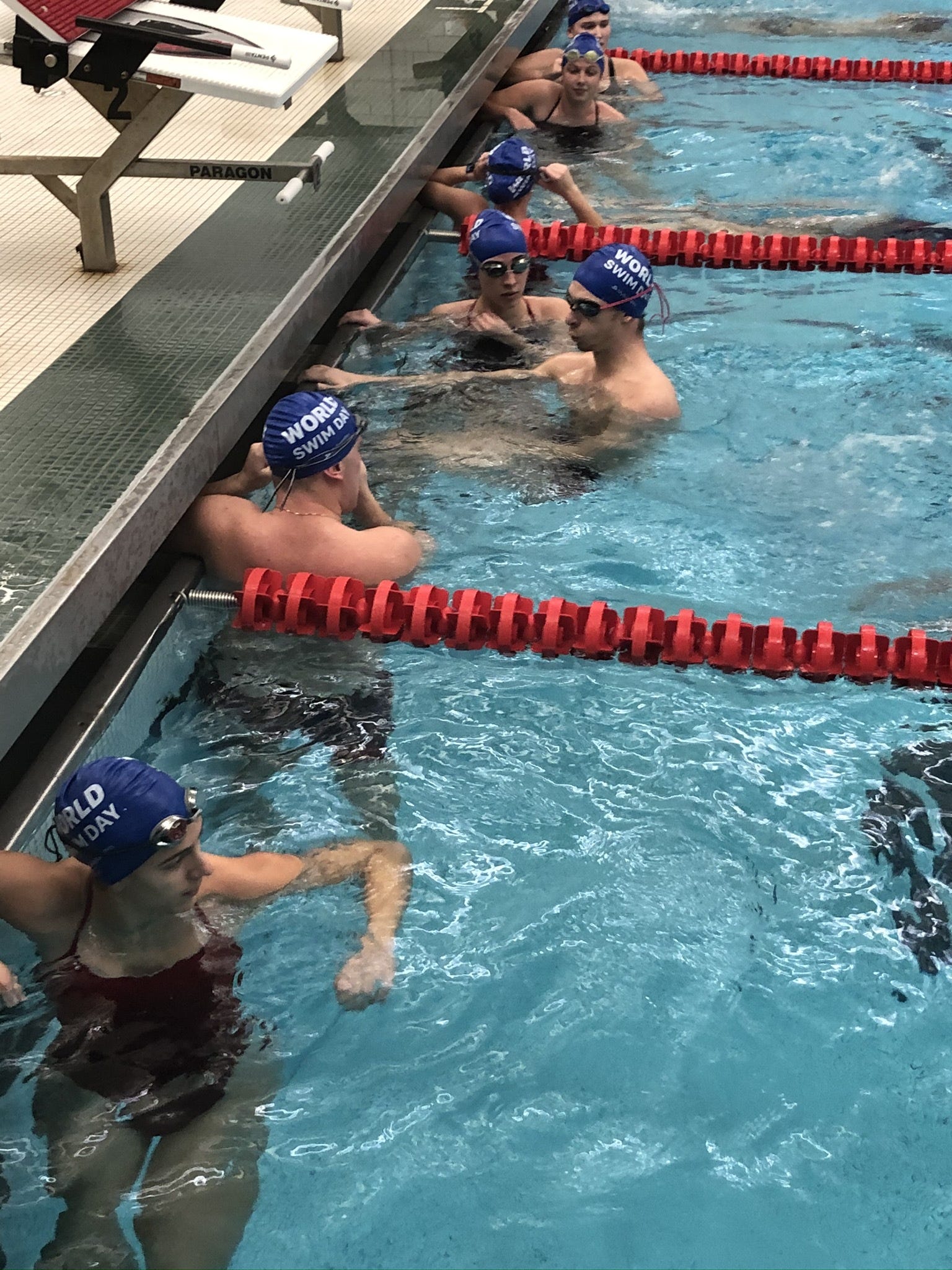
Showing up after class. Showing up after difficult semesters. Showing up after COVID disruptions. Showing up when campus life felt uncertain. Showing up because swimming still mattered.
Over the years, students occasionally reached out with questions:
Can anyone join?
Is the team varsity?
How serious are practices?
Are beginners welcome?
Is there still a swim community at Duquesne?
The answers were usually practical and direct.
The Duquesne University Club Swim Team was never intended to compete with varsity athletics. Instead, it created a parallel lane — one built around participation, consistency, wellness, and student initiative.
This document preserves that history before the original WordPress website disappears.
The Bluff
Duquesne University sits above downtown Pittsburgh on the Bluff.
That geography shaped the feeling of the club team.
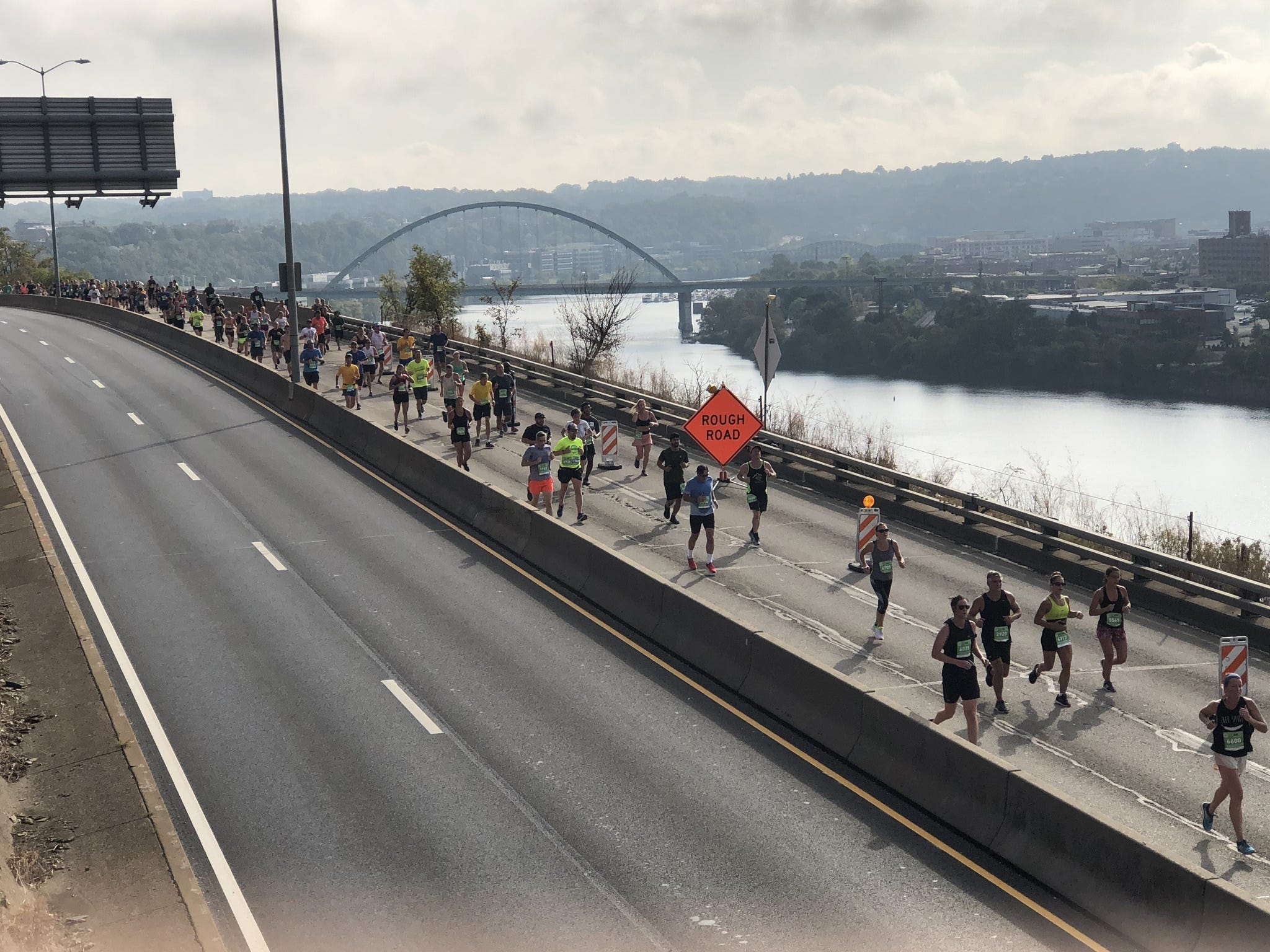
The city was always nearby. Bridges, rivers, weather, buses, traffic, and steep hills became part of the rhythm of attending school there. Students often balanced jobs, internships, demanding academic schedules, and commuting realities alongside athletics.
Swimming existed inside that environment.
The team did not operate in a polished bubble separated from ordinary campus life. Practices took place amid construction, changing pool availability, COVID restrictions, schedule conflicts, maintenance projects, and shifting student participation.
At times the website reflected this plainly:
pool hours changed
access changed
campus activity slowed
practices restarted after interruptions
workouts adapted to available attendance
One post during the early pandemic years captured the emotional atmosphere of campus with unusual honesty:
“On the Bluff — and all is windy, and not much else, in terms of student activities.”
That sentence says a great deal about the era.
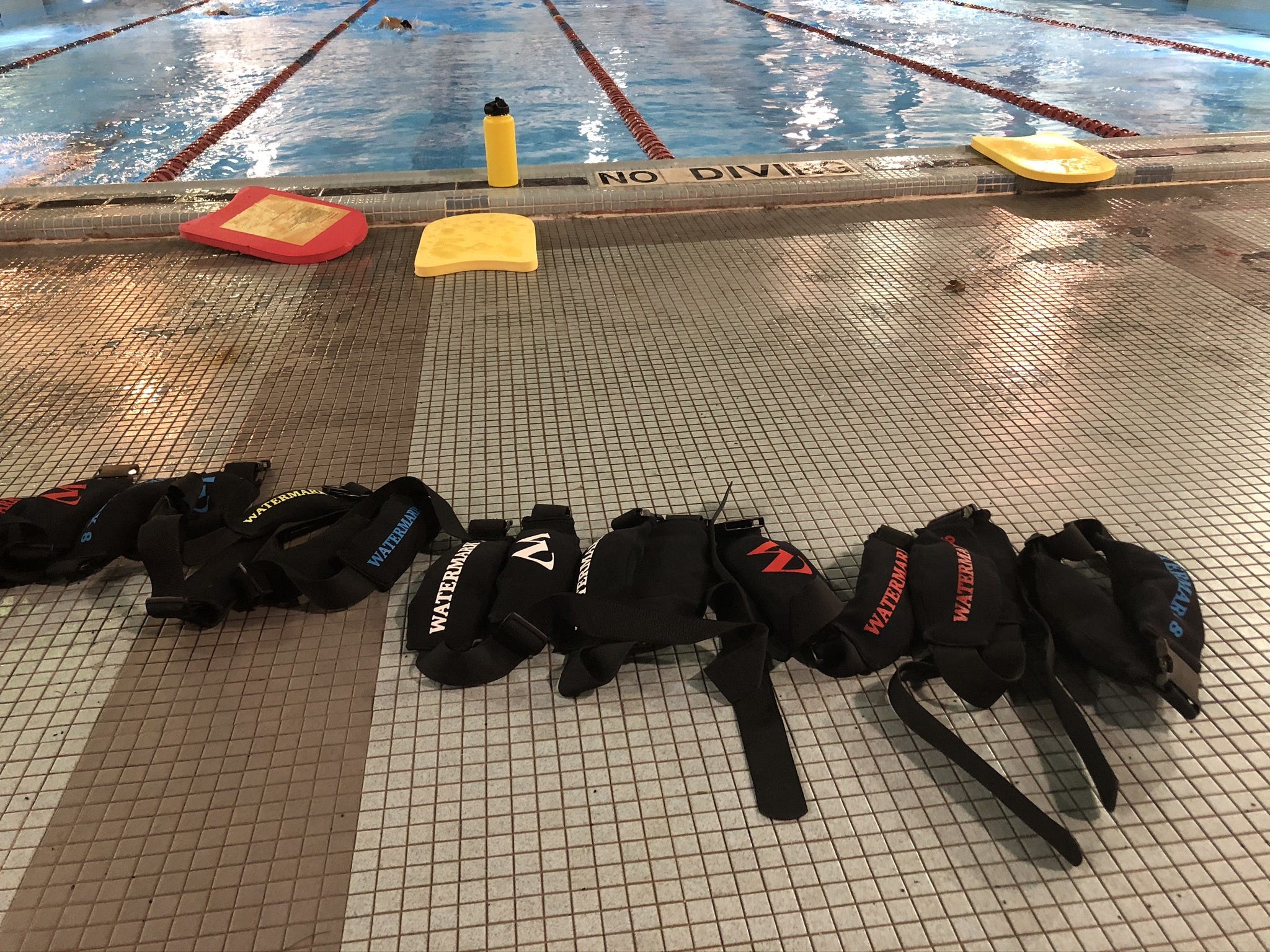
Club Sports Versus Varsity Athletics
One of the most important distinctions preserved in this archive is the difference between club swimming and varsity swimming.
The Duquesne University Club Swim Team was not the NCAA varsity program.
That distinction mattered legally, structurally, and culturally.
The club team existed in a more flexible environment:
volunteer leadership
student-driven participation
mixed experience levels
changing yearly rosters
less institutional infrastructure
broader accessibility
At the same time, the club structure created opportunities that varsity athletics sometimes cannot.
Students who no longer wished to compete at elite intensity could still swim. Students arriving from smaller high schools could still join a team. Graduate students could still participate. Students recovering from burnout could rediscover enjoyment in the water.
There is quiet importance in that.
Modern college sports often focuses attention almost entirely on scholarships, rankings, conference realignment, NIL agreements, transfer portals, and high-performance systems.
Club swimming lives in a different lane.
It preserves participation.
Volunteer Coaching and Presence
The adult leadership connected with the team was volunteer in nature.
That shaped the tone of the program.
Rather than functioning as a corporate athletics structure, the team often operated through mentorship, consistency, communication, and practical guidance.
The role frequently involved:
organizing practices
answering student questions
helping maintain continuity
keeping the website updated
supporting new swimmers
encouraging attendance
helping students reconnect with swimming after long breaks
In many ways, the website itself became part of the coaching process.
Posts were not written like press releases.
They read more like:
practice reminders
campus notes
observations
encouragement
snapshots of momentum
whiteboard workouts
reminders to stay active
The tone mattered.
The website felt handmade because the team itself was handmade.
Practice Culture
The surviving posts reveal a very specific swim culture.
There are references to:
descending intervals
USRPT concepts
side-and-glide drills
practice sets on whiteboards
easing back into routines
conditioning after breaks
attendance fluctuations
adapting workouts to available swimmers
These details matter because they preserve the lived reality of the team.
The practices were not abstract.
They happened in real time.
One surviving practice post from November 2019 included whiteboard photographs documenting descending swim sets and timing structures used during practice.
The post itself was short and direct:
“Started with and ends with some exercises. Worked descending sets of swimming.”
That simplicity tells the story.
No hype. No branding language. Just swimmers getting in the water.
COVID and Disruption
Like nearly every sports organization in the world, the club team experienced disruption during the COVID-19 era.
The archive preserves this transition in real time.
Posts reference:
restrictions
uncertain scheduling
reduced activity on campus
delayed returns to practice
gradual rebuilding
maintaining engagement despite interruptions
One post noted:
“Too hot. Then too cold. Hopefully it is just right now.”
Even outside literal pool conditions, the sentence unintentionally describes the broader instability of the era.
The pandemic interrupted routines that students depended upon.
Swimming, for many people, is deeply tied to rhythm.
When pools close, schedules disappear, or teammates scatter, swimmers often feel emotionally unmoored.
The archive documents the effort to rebuild that rhythm.
Returning to the Water
Several posts reflect the emotional importance of simply returning to practice.
Titles alone tell the story:
“Team returns to practices at Duquesne pool!”
“First week – easing into a routine after a long break”
“Get in and swim over the break!”
These are not grand announcements.
They are recovery markers.
The club team repeatedly functioned as a point of re-entry.
Not every swimmer needed elite competition. Sometimes students simply needed:
structure
movement
teammates
accountability
exercise
a familiar environment
The water became continuity.
Pool Space and Infrastructure
Another recurring theme is the physical reality of maintaining aquatic spaces.
The archive references:
pool upgrades
changing access
practice logistics
scheduling challenges
shared facilities
Aquatic programs are unusually infrastructure-dependent.
A swim team cannot casually relocate to a parking lot or classroom.
Without functioning pool space, swimming simply stops.
That reality creates constant pressure for club-level aquatic organizations.
The website preserved those practical realities honestly.
Meets, Invitations, and Participation
The team also participated in invitationals and swim-related events.
References to Panther Invite events and other invitations reveal that the club team was not isolated.
Even modest participation matters.
College club sports often exist in regional ecosystems built through relationships rather than large institutional budgets.
Travel, attendance, and participation become acts of commitment.
Showing up to a meet matters.
The Importance of Small Programs
Large athletic departments dominate headlines.
But thousands of students across the United States experience sports primarily through:
club programs
intramurals
informal recreation
volunteer coaching
community-built participation
These programs are frequently under-documented.
Websites disappear. Photos vanish. Student leadership graduates. Passwords get lost. Servers age.
The history dissolves quietly.
That is part of the reason this archive matters.
The Duquesne University Club Swim Team represents a version of college athletics that is often invisible in official institutional histories.
Yet for the students involved, the experience was real.
Practices happened. Friendships formed. Workouts were completed. Students learned discipline. People stayed connected to swimming.
That is enough.
The Website as Memory
DUQ.4rs.org was never a major media property.
It functioned more like:
bulletin board
team notebook
memory archive
communication hub
campus record
That is exactly why it now feels historically valuable.
The posts were not overproduced.
Most entries were practical. Some were brief. Others simply documented a moment:
a workout
a return to campus
weather
pool conditions
a meet
a practice idea
Together, however, those fragments create a believable and emotionally honest record of a club sports community.
The photos matter for the same reason.
The images are not polished media-day photography.
They are:
whiteboards
swimmers
pool decks
ordinary practices
campus moments
snapshots of continuity
Real memory often looks exactly like that.
Swimming After High School
Many swimmers struggle with the transition after high school competition ends.
Some continue at NCAA programs. Many do not.
Club swimming provides an important bridge.
It allows students to:
remain physically active
preserve athletic identity
maintain friendships around sport
reduce stress
continue skill development
compete selectively without full varsity intensity
For some students, club swimming may become the final organized team experience of their lives.
That matters more than many institutions realize.
Pittsburgh, Swimming, and Community
The archive also reflects something broader about Pittsburgh.
Swimming communities in Western Pennsylvania often rely on:
volunteerism
multi-role leadership
overlapping networks
practical problem-solving
long-term relationship building
The boundaries between:
club teams
youth programs
masters swimmers
coaches
volunteers
alumni
local aquatic advocates
are often fluid.
The Duquesne club team existed inside that ecosystem.
Why Preserve This Now?
Websites are temporary.
Especially older WordPress sites.
Plugins age. Servers change. Security risks grow. Hosting environments evolve.
At some point every small volunteer-run website reaches a difficult question:
Is the maintenance burden larger than the operational value?
This archival project answers that question in a constructive way.
Rather than allowing the history to disappear entirely, the goal becomes preservation.
The original site may eventually go offline.
But the story does not need to vanish with it.
Legacy
The Duquesne University Club Swim Team was never about scale.
It was about continuity.
Keeping lanes open. Keeping students connected. Keeping swimming available. Keeping momentum alive through uncertain years.
The surviving website posts reveal something important:
Small athletic communities still matter.
Not because they dominate headlines. Not because they produce television contracts. Not because they generate revenue.
They matter because human beings showed up there.
Students balanced classes, work, friendships, uncertainty, stress, and adulthood while still finding time to swim.
And someone kept opening the door.
Archival Notes
This narrative was developed from the surviving content, posts, metadata, media references, and exported records of the former DUQ.4rs.org website, originally titled:
Duquesne University Club Swimming
with the tagline:
“Club Bluff -- Men’s & Women’s Swim Team of DUQ”
The source archive included:
WordPress export files
post histories
practice notes
photographs
media references
timestamps
categories
public website content
The original site content was authored primarily by Mark Rauterkus in connection with volunteer involvement supporting Duquesne University Club Swimming.
This document is intended as a historical and community archive rather than an official university publication.

That was a great post. I read the entire thing. Almost makes me wish I was in Pittsburgh. Almost. But definitely makes me wish I was back in college.