

Make Learning Visible With Meets, Festivals, Carnivals, Badges, Certificates, And Stories
Aquatic activities can be molded so as to produce growth, every day of the year -- OBVIOUSLY
#AISwimWizard-Chapter0
Growth can happen in aquatics and through aquatics.
A child becomes calm in the water. A swimmer learns rhythm. A teenager helps a younger child. A lifeguard candidate learns responsibility. A coach explains a skill with more clarity. A family gains confidence because progress is visible. The growth is real. Aquatics has the potential for being a catalyst for outstanding growth – once the facilities are opened and our clever, functional methods are deployed.
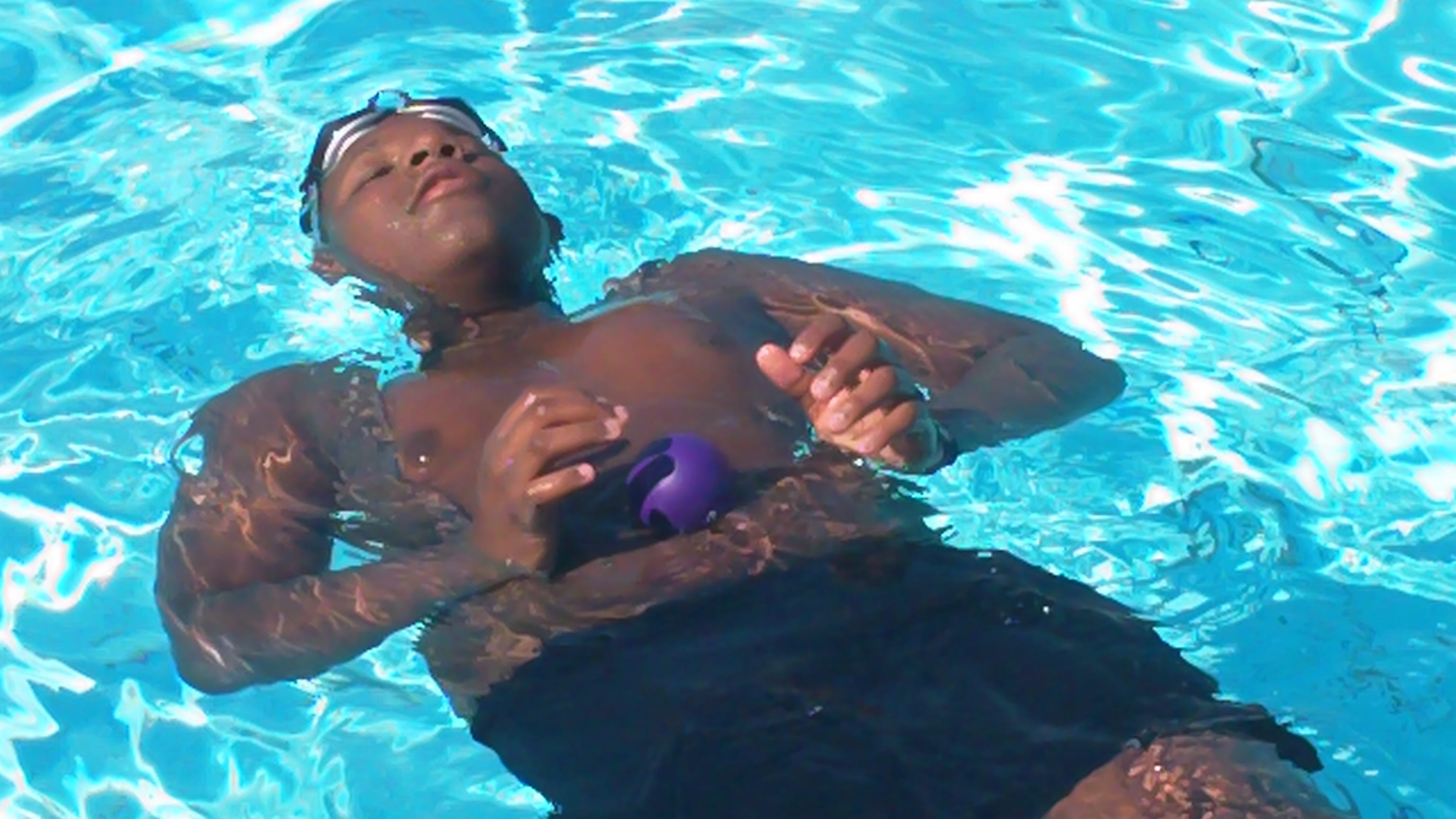
We need better ways to do show-off swims and have those visions resonate with people of power. Let’s show it and demand it. We can show off the list of broken pool and closed hours. Yes, the Oliver Bath House, the only indoor public pool owned and operated by the City of Pittsburgh, was closed for seven years. A mayor came into office and served his entire tenure and the pool wasn’t open for even one minute of his time as mayor. That can be pointed too. But that’s an embarrassment.
Badges, certificates, reflections, progress notes, and stories can help aquatics explain what it teaches.
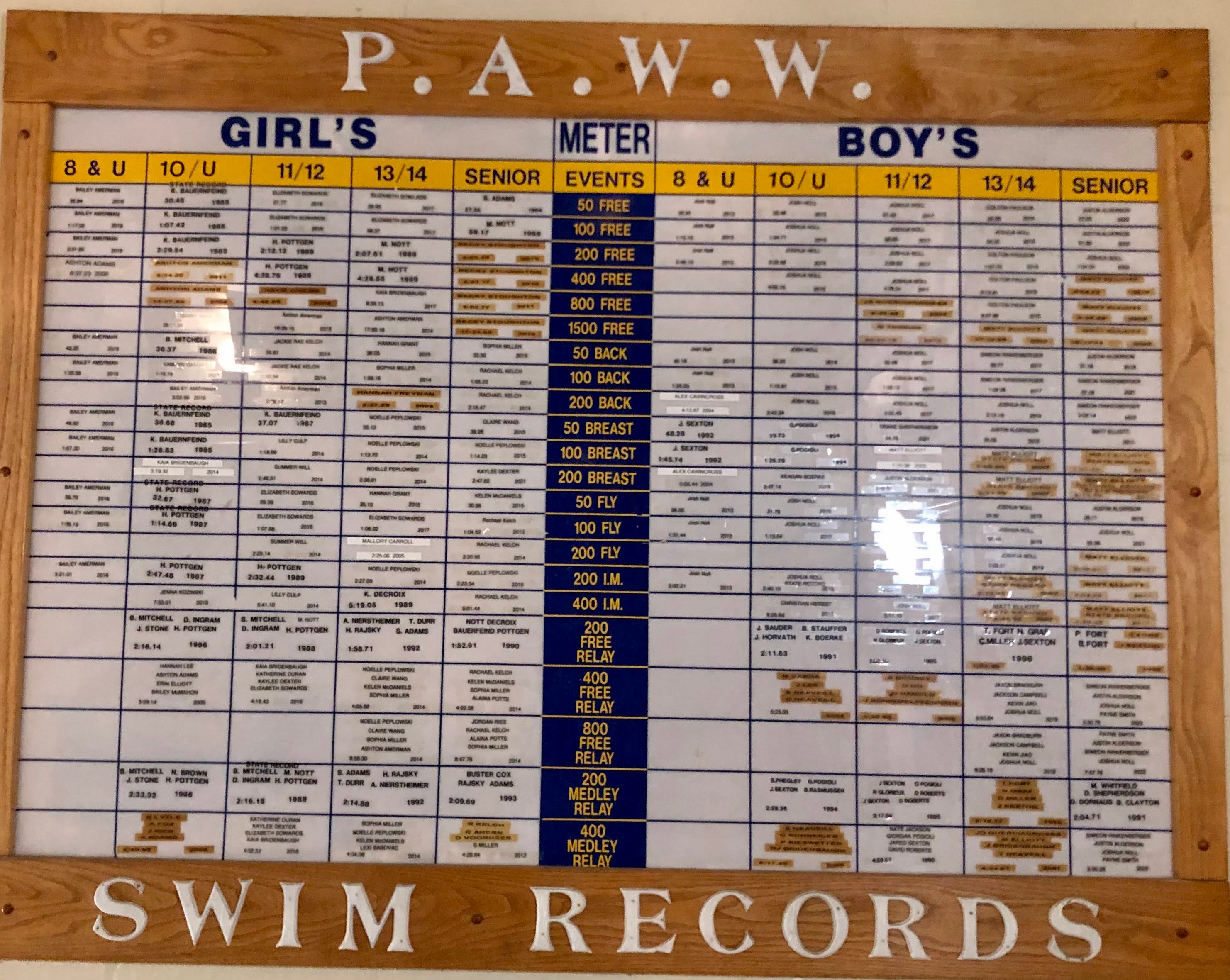
Progress Deserves A Record
Good coaching produces change.
Some change appears on a scoreboard. Some appear in a time standard. Some appear in attendance. Much of the best growth appears in smaller moments.
A beginner puts a face in the water.
A nervous swimmer floats without panic.
A young athlete listens through a full instruction.
A teen mentor gives useful feedback.
A group learns to work as a lane.
Those moments deserve a record. A record helps the learner remember. It helps the parent understand. It helps the coach guide the next step.
Badges Give Shape To The Path
A badge can mark progress in a simple way. It can show that a learner completed a skill, a lesson, a role, or a responsibility. It can give a young person a reason to keep going. It can help a parent see where the child stands. The badge works best when it connects to real standards. The badge becomes a marker on a learning path.

A badge should point to something specific.
Passing the Deep Water Test.
Basic water safety.
Freestyle breathing.
Helping with equipment.
Leading a warmup.
Qualifying as a Lifeguard Candidate.
Supporting a younger swimmer.
Completing a junior coach assignment.
Certificates Carry Weight
Certificates matter in aquatics.
A certificate can document training. It can support employment. It can recognize effort. It can give a program a clean way to show completion.
A lifeguard certificate means readiness for responsibility.
A coaching certificate can show a step in professional growth.
A swim lesson certificate can help a family understand progress.
A youth leadership certificate can encourage the next helper on deck.
The certificate is not the whole learning. It is the public marker that learning happened here.

Parents Need To See The Pathway
Parents and guardians want to support progress. They can do that better when the pathway is clear. A parent who understands the next step becomes a stronger partner. A parent who sees progress can encourage practice, attendance and patience. A parent who receives clear records can better trust the program.
Aquatics programs often ask families for time, money, transportation and commitment. Visible learning helps families see the value of that investment and engagement.
Coaches Need Shared Language
A badge system can help coaches speak with a unified language.
One coach may call a skill “ready.” Another may call it “almost there.” A strong pathway gives the staff common terms, expectations and evidence. That shared language helps a program become more consistent. It helps when a new instructor enters the system in a different location. It helps a substitute coach understand the group. It helps a program director see where the teaching is working.
Shared language turns scattered observations into program knowledge.

Stories Give Badges Heart
A badge alone can feel flat. A story gives it life.
The swimmer earned a deep-water confidence badge after several practices.
The junior coach earned a helper badge after guiding younger swimmers through a station.
The lifeguard candidate earned recognition after learning to scan with patience and purpose.
The certificate says what happened. The story explains why it matters. That combination is powerful.
Reflection Helps The Learner Own The Progress
A learner gains more when progress is named in the learner’s own words. Reflection turns the badge from an award into a learning moment. The student then owns the growth in a more personal connection.
A child can say, “I stayed calm.”
A swimmer can say, “I found my rhythm.”
A teen helper can say, “I explained it better after I listened.”
A coach can say, “The group took more responsibility today.”
Digital Records Help Programs Improve
Digital records can help an aquatics program see patterns. The program can see which skills are moving smoothly. It can see where learners need more time. It can see which classes are ready for the next level. It can see which instructors need support.
The records serve the athletes first. They also help the program improve. Good data helps leaders make better decisions about staffing, curriculum, class placement, communication and family support. And, funding sources love the data too.
Badges Can Build The Next Workforce
Aquatics needs more prepared people. Badges and certificates can help young people see a path from participant to helper, from helper to junior coach, from junior coach to instructor, from instructor to leader. We need more coaches and we’ll also be needing to make calls for tech assistants as well.
We have plenty of “revolving doors” along the pathways as people move among the various stations and as part-time coaches move around with their full-time jobs and family changes.
A teenager who receives meaningful responsibility can grow into service. A young swimmer who sees older athletes helping can imagine doing the same. The program becomes a leadership pipeline. We’ll expect all the pools to grow future staff members and some may stay longer than others.
Recognition Strengthens Culture
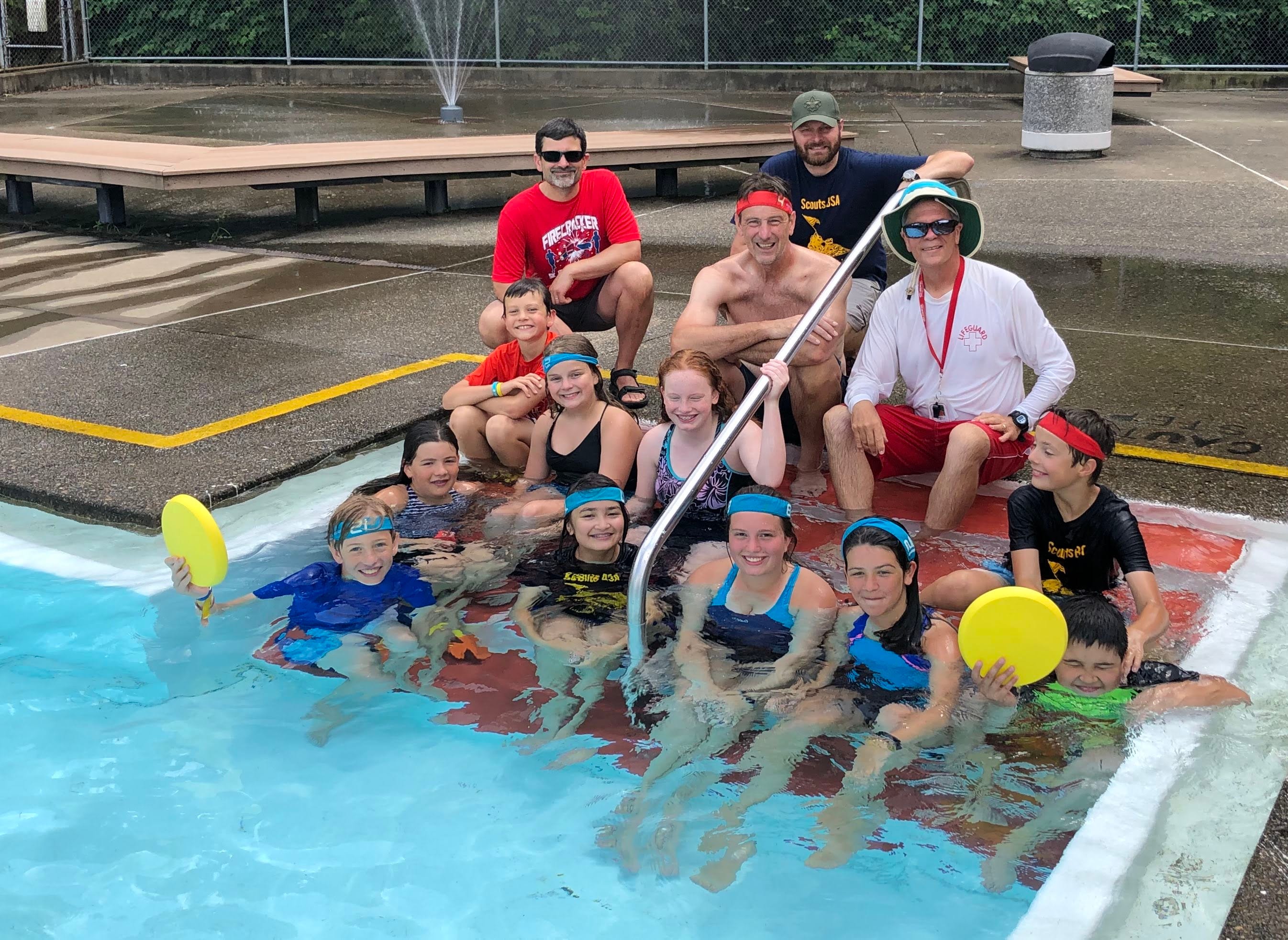
To shape the culture of teamwork and playing well with others, our aquatics and sports programs need to be thinking about various ways to recognize and teach effort.
Leadership teaches leadership. A program that recognizes safety teaches safety. A program that recognizes service teaches service. Badges and certificates should celebrate the behaviors the program wants for its growth. We must strive to make recognition more than decoration. Recognition becomes a way to weave the culture into the work.
Our Public Story Matters
Aquatics leaders need better public stories. Schools, parks departments, families, funders, and civic partners often need help seeing the full value of a program. A good story can show more than attendance. It can show confidence, safety, skill, leadership, workforce development, family trust and community service.
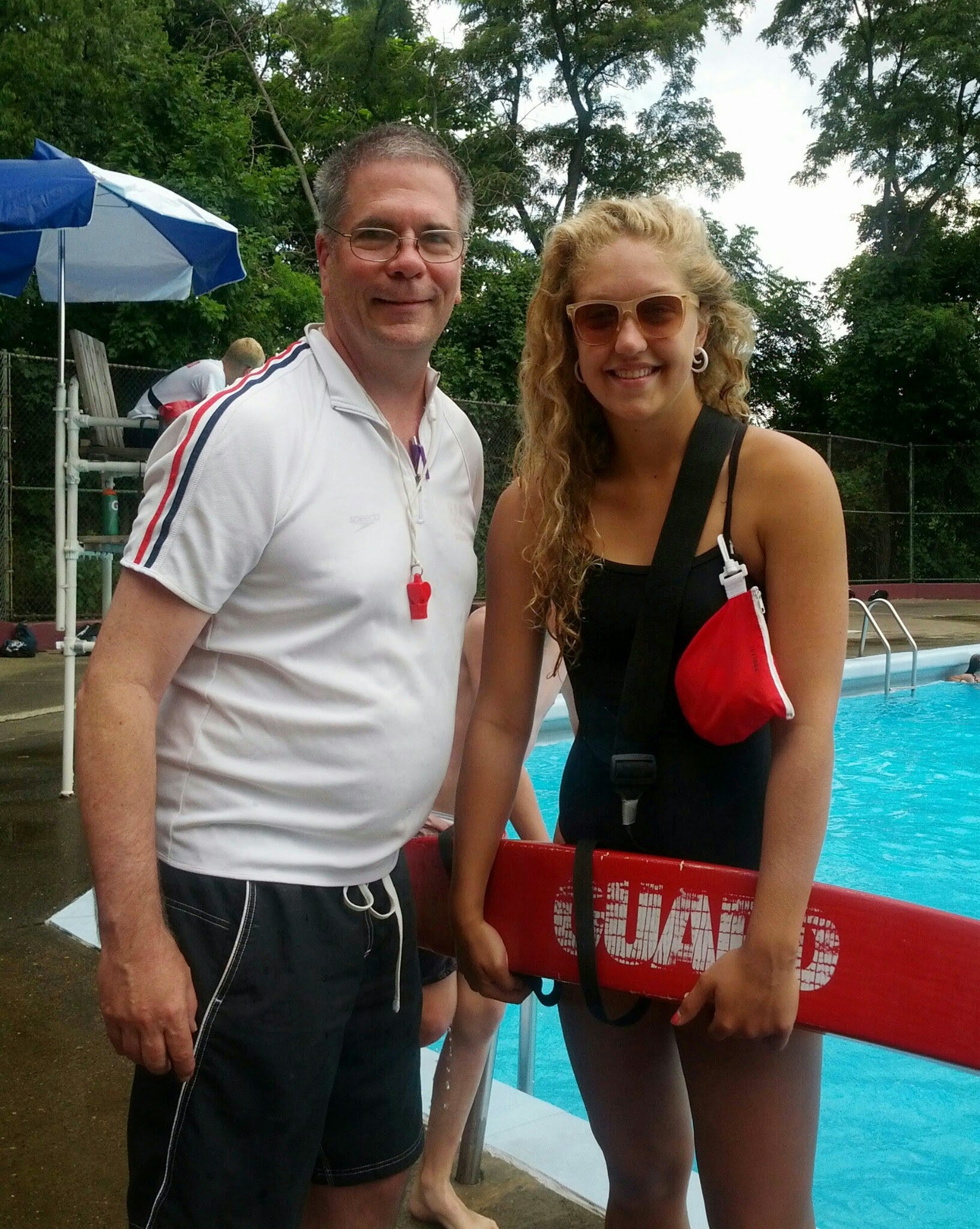
A public pool can tell the story of young lifeguards. A swim lesson program can tell the story of beginner confidence. A team can tell the story of athletes mentoring younger children. A coach education program can tell the story of new leaders entering the field.
Those stories help the aquatic programs earn support with everyone from taxpayers to elected board members.

The System Should Stay Simple
The system begins small. We’ll start with a few meaningful badges. We’ll create a clear certificate for completion. We have stages and levels. When we insert short reflection prompts, we’ll be able to share stories each month.
The stories help parents understand the pathway and let the coaches use the same clippings. A simple system used well beats a complicated system that sits untouched.
Aquatics has a visible learning culture, but we’ll put a spotlight on it.
Swim lessons often show progress but the Beginner and Advance Beginner stages from the American Red Cross are insufficient. We’ll be of a robust, new and improved method. The freshness can push for more clarity and be different than by-gone, stodgy ways of the past.
The water already teaches. It has for decades. But in these times of AI, we can jazz up the ways that teams show leadership, lifeguard programs show readiness, coach education shows development, and youth programs show service.
Parks departments can do a better job of showing public value with programming with coaches. Schools can show learning beyond the classroom. Aquatics changes people in visible and invisible ways. The next step is to make more of that growth visible, useful and shareable.