

Athletic Matrix Formulation - From General Prep to Taper
How to Use a Training Matrix to Optimize Performance and Prevent Burnout
Coaching Insight: Adjusting the Matrix When Real‑World Factors Disrupt Your Plan
Heavy Or Not, The OG Swim Guide, episode #86, goes to the realm of a TRACK coach. Much of the planning is similar to swimming and other sports.
Unlock the secret behind elite performance: a step‑by‑step guide to building a winning training matrix. Learn how to turn a chaotic schedule into a precise, adaptable roadmap for any athlete.
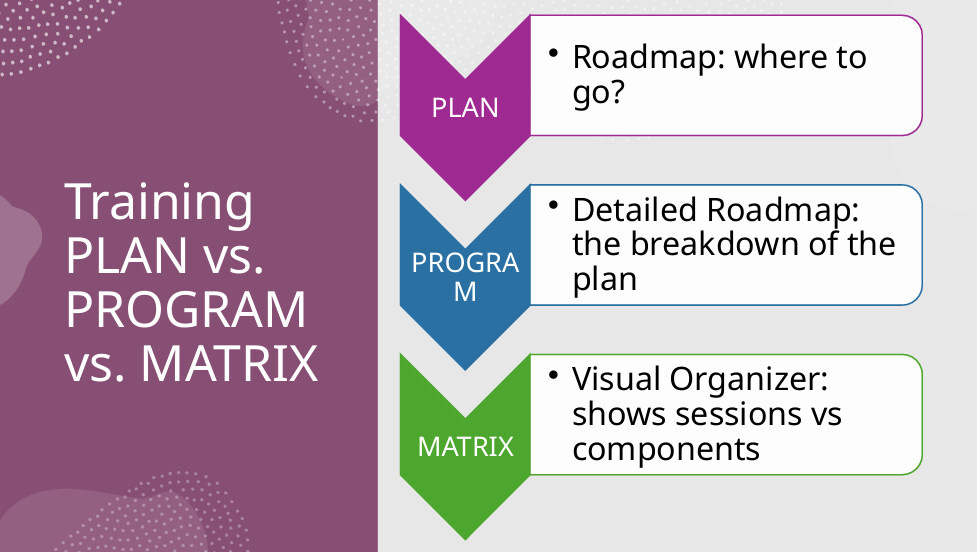
The three‑tier hierarchy: training plan, program, and matrix explained
Coach Jose’s 8‑week sprint matrix: phases, intensity, volume, and recovery
How to progress workouts safely while boosting performance
When and how to adjust the matrix for real‑world athlete needs
Core coaching principles: athlete‑centered design, balanced structure, and recovery importance
The full seminar is available, for free, at the website,
A course there is called, Bygone Seminars. Login and pay nothing.
Dennis and Coach Mark host weekly seminars on Saturdays. Join in and then you can ask your questions to the expert coaches.

1. Why a Structured Plan Is Critical for Athletes
“Wing‑it” = high risk of overtraining, injury, and uneven development
Inconsistent performance when peak condition is left to chance
Planning hierarchy: Training Plan → Training Program → Training Matrix
2. The Three Levels of Planning
Training Plan – 30,000‑foot view; season‑long roadmap, ultimate goal, timeline
Training Program – Detailed roadmap; phases (general prep, pre‑competition, etc.), weekly objectives
Training Matrix – Day‑to‑day “coach’s bible”; specific exercises, reps, intensities for each session
3. Building an 8‑Week Matrix – Coach Jose Case Study
Six basic steps
Start with competition date, work backward
Set phase‑specific goals
Choose key skills to develop
Plan intensity, volume, recovery
Assemble high‑level program
Populate the matrix
Four clear phases
General Preparation – Build foundation
Specific Preparation – Hone speed
Pre‑Competition – Sharpen race rhythm
Taper – Reduce workload, maximize recovery
Week 1 (General Prep) sample matrix
Monday: High‑intensity acceleration
Tuesday: Lower‑intensity tempo run (active recovery)
Wednesday: Hard max‑velocity work
Thursday/Friday: Rest days
Saturday: Full‑body circuit (moderate load)
Week 2 – Progressive Overload
Same exercises, but:
Acceleration effort ↑ to 100%
Jump repetitions increased
Phase 3 (Pre‑Competition) shift
Goal moves from building fitness → sharpening skills & race rhythm
Volume ↓ to limit fatigue; intensity stays very high
CNS kept “firing” for peak performance
Taper Week
Workouts become almost rest‑like
Light activities to keep CNS primed
Primary aim: full physical & mental recovery for race day
4. Flexibility & Real‑World Adjustments
Matrix is a guide, not a set of immutable commandments
Coach must watch for warning signs: excessive fatigue, aches/pains, external stress (e.g., school exams)
If red flags appear → adjust matrix immediately
Two core coaching principles:
Know the athlete as an individual (age, history, life context)
Avoid classic pitfalls – e.g., treating recovery days as optional
5. Key Takeaways / Coaching Principles
Balance structure with flexibility – a solid plan + the ability to adapt
Athlete‑centered planning – design around the person, not just the goal
Recovery is a training component, not the absence of training
Evolve the plan alongside the athlete – continuous monitoring & tweaking
6. Seminar Context & Call‑to‑Action
Concepts presented at a recent UCSSC & WAFSU seminar (Saturday)
Invitation to attend future seminars; resources available at wafsu.org
Archived seminars (track & field, aquatics) also on the site
Closing note: thanks for subscribing & encouraging peers to explore “Heavy Or Not.”
Watch the entire seminar at WAFSU.org in the course at https://wafsu.org/course/track-training-matrix/.
You’ll need to login first, and that is free.